

 Factoring Support
Are You Gambling on Your Invoices?

June 25, 2026
|


Content
Are You Gambling on Your Invoices?
For factors, one bad invoice can do more than create a collection problem.
It can distort availability, weaken collateral confidence, trigger repurchase disputes, damage client relationships, and put capital behind receivables that should never have been funded.
That is why invoice fraud is dangerous in factoring. It rarely arrives with a warning sign. It may look like a valid customer invoice, a routine debtor balance, or a high-volume client pushing for faster funding. The 2025 AFP Payments Fraud and Control Survey Report found that 79% of organizations experienced attempted or actual payments fraud in 2024, while invoice fraud rose to 24% from 14% the previous year.
If invoice review still depends on manual checks, scattered documents, and overloaded teams, you may already be gambling with your invoices.
What invoice fraud means for factors
Invoice fraud in factoring happens when a client submits a false, altered, duplicate, inflated, disputed, or unsupported invoice for funding.
It can appear as fabricated receivables, invoices raised before goods are delivered, duplicate submissions, manipulated debtor details, inflated invoice values, side agreements, hidden credits, or invoices tied to customers with no intent or ability to pay.
For factors, the issue is not only whether an invoice exists. The real question is whether that invoice is valid, collectible, and eligible for funding.
Why invoice fraud slips into factoring portfolios
Fraud often enters through pressure points in the process.
A client submits a large batch before the cutoff. Supporting documents are incomplete. Debtor details are outdated. Delivery evidence is weak. Credit notes and disputes are not visible. A new debtor appears with unusually high invoice value.
In factoring, these gaps matter because speed is part of the service. Clients expect fast funding, but fraudsters exploit that same urgency.
Red flags may include:
- Sudden spikes in invoice volume or value from one client
- New debtors with limited history or weak verification.
- Duplicate invoice numbers, amounts, or supporting documents.
- Invoices dated before shipment, delivery, or service completion.
- Debtor contact details that cannot be independently confirmed.
- Frequent credit notes, short payments, or unresolved disputes.
- Client pressure to fund before checks are complete.
A red flag does not always mean fraud. It means the invoice needs stronger validation before funds move.
How factoring support services help identify invoice fraud
The best factoring teams do not ask, “Does this invoice look acceptable?”
They ask, “Can we prove this invoice should be funded?”
Invensis factoring support services help factors strengthen that proof trail across invoice intake, verification, exception handling, and documentation review.
Validate invoices before funding
Invoice validation starts with matching the invoice against purchase orders, delivery documents, bills of lading, contracts, debtor records, and funding rules.
If the invoice amount, debtor name, date, payment terms, delivery proof, or supporting document does not match, the invoice should move into exception review before advance decisions are made.
Verify debtors and supporting documents
Fraud becomes harder when debtor information is checked independently.
Factoring support teams can help verify debtor details, review proof of delivery, confirm document completeness, identify missing backup, and flag inconsistencies between invoice data and supporting files.
The goal is not to slow funding. The goal is to make fast funding safer.
Detect duplicate and suspicious invoice patterns
Invoice fraud often hides in repetition.
Duplicate invoice numbers, similar amounts, reused documents, repeated debtor addresses, and unusual submission timing can point to risk. AI-enabled checks can scan large invoice volumes for these patterns, while specialists review the exceptions that need business judgment.
That combination matters because not every anomaly is fraud. Some are legitimate seasonal changes, project-based billing shifts, or onboarding patterns. The risk decision improves when technology finds the signal and trained specialists verify the context.
Strengthen exception handling
Weak exception handling turns small gaps into portfolio risk.
Factoring support services can help categorize exceptions, document review outcomes, escalate high-risk invoices, and maintain a clear audit trail for approvals, holds, rejections, and follow-ups.
When questions arise later, the factor has more than a decision. It has evidence.
The Power of Parallel for invoice fraud prevention
Invensis Technologies calls this The Power of Parallel: AI speed and specialist judgment working at the same time.
For factors, that means one lane scans invoice data, debtor patterns, document gaps, duplicate signals, and risk triggers. The other lane verifies exceptions, checks context, and supports funding teams with cleaner, more reliable information.
Neither lane replaces the other. AI brings scale. Specialists bring judgment. Together, they help factors identify suspicious invoices earlier and mitigate exposure before funding decisions become losses.
Stop funding invoices on trust alone
Invoice fraud thrives when volume rises and verification stays manual.
It hides in batch submissions, unclear debtor records, incomplete backup, duplicate documents, and rushed cutoff decisions. For factors, the cost is not only the fraudulent invoice. It is the time spent recovering funds, resolving disputes, protecting client relationships, and defending portfolio quality.
The better approach is structured verification before exposure grows.
Build the controls. Validate the documents. Review the exceptions. Use AI where it helps. Add specialist review where it counts.
Because invoice fraud is not a game of chance, unless your process makes it one.
Visit Invensis at IFA 2026
Invensis team will be available at the International Factoring Association’s 2026 Factoring Conference at Booth No. 49.
If you’re a factor attending the conference, visit Booth 49 and meet the Invensis team. Take part in our invoice fraud challenge, where you’ll test how quickly you can spot risky invoices hidden among routine submissions. It’s a quick, engaging way to sharpen your fraud-spotting instincts, identify common red flags, and see how stronger invoice checks can help protect funding decisions.
FAQs about invoice fraud in factoring
How can factors identify invoice fraud?
Factors can identify invoice fraud by checking invoice data against debtor records, delivery proof, contracts, purchase orders, payment history, credit notes, and dispute records before funding.
What is the biggest invoice fraud red flag for factors?
A sudden spike in invoice value, a new debtor with limited verification, or missing delivery support should trigger deeper review before funds are advanced.
How can factoring support services reduce invoice fraud risk?
Factoring support services can help validate invoices, review documents, verify debtor information, detect duplicate patterns, manage exceptions, and maintain evidence for funding decisions.
.webp "Medium")
Kristen is an experienced professional in the factoring support industry, bringing a wealth of knowledge and expertise to her writing. With years of hands-on experience, she adeptly navigates the intricacies of factoring operations. Kristen's proficiency extends across diverse sectors, consistently providing valuable insights and delivering effective solutions. She excels in client onboarding, streamlining invoice processing, and implementing robust risk management strategies. As a prominent writer in the factoring support space, Kristen's expertise shines through in her concise and actionable guidance, empowering businesses to optimize their cash flow and achieve long-term financial stability.
Discover Our Full Range of Services
Click HereExplore the Industries We Serve
Click HereBlog Category
Top Articles
Related Articles
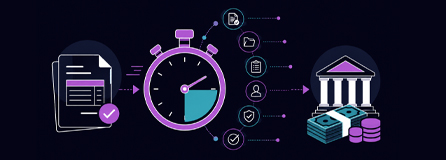
How quickly they turn invoices into cash, we break down what really happens inside the invoice validation clock
June 25, 2026
|
.jpeg)
How modern factoring support services empower factoring companies to scale, manage risk, and protect margins amid tightening credit conditions.
June 25, 2026
|
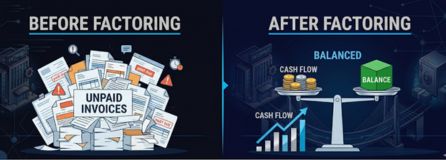
Fix enterprise finances using smart factoring and AI-human collaboration.
June 25, 2026
|
Services We Provide
Industries We Serve
