

 eCommerce
Top 6 Best Shopify Customer Support Apps in 2026

February 2, 2026
|


Content
In the ever-changing and ever-demanding world of ecommerce, offering exceptional customer support can be the difference between success and stagnation for businesses. Therefore, as this landscape evolves, Shopify merchants constantly seek innovative solutions like customer support apps to streamline their support operations and elevate the customer experience. These apps are designed to assist businesses using the Shopify platform in managing and improving their customer service operations. They provide a range of features and functionalities tailored to enhance communication, streamline support processes, and resolve customer inquiries efficiently. Shopify customer support apps empower merchants to deliver exceptional service experiences, maintain consistency in support interactions, and foster positive customer relationships.
In this blog, we will explore the five best Shopify customer support apps in 2026 that are designed to transform the way ecommerce businesses interact with their clientele.
Top Customer Support Apps for Shopify
Here is a list of the best Shopify customer support apps to help improve your ecommerce business:
1. Gorgias: A Customer Service Powerhouse
Gorgias is one of the best Shopify customer support apps, and it comes with a user-friendly interface and seamless integration with Shopify. It is a go-to solution for ecommerce businesses seeking to streamline their customer support operations. Gorgias centralizes customer inquiries from various channels into one unified platform, enabling businesses to manage and resolve issues with unparalleled ease. Its robust automation capabilities further enhance productivity and allow the support team to focus on delivering personalized assistance and building meaningful connections with customers. According to a report by Zendesk, businesses that use customer support apps experience a 25% increase in agent productivity.
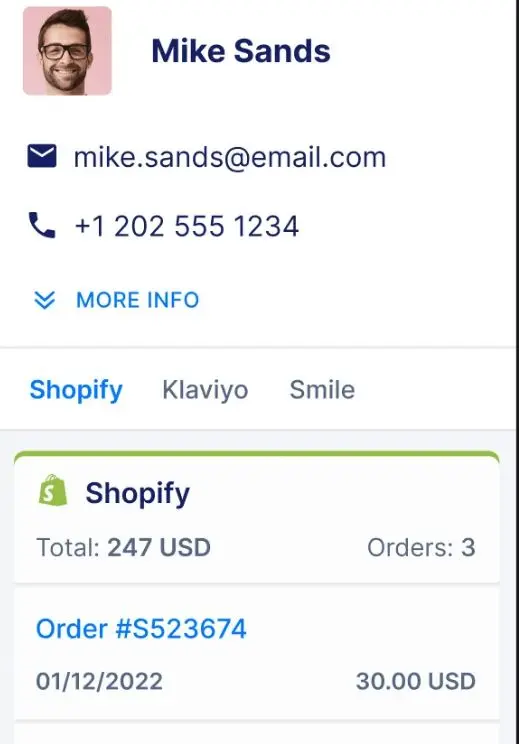
Gorgias- A Personalized Customer Service Enabler
Personalized customer service is an all-encompassing concept. It includes aspects like proactive messaging, customer data utilization to announce the provision of tailored services, leveraging social media, unifying customer conversations across multiple platforms, and many more. Using separate tools for each of these services is cumbersome, tantamounting to multiple tool management complexities and overhead costs. Gorgias acts as a one stop shop to deliver all these services.
Gorgias leverages artificial intelligence (AI) to deliver personalized recommendations and support to customers. This enhances the shopping experience by mimicking a personal shopping assistant, potentially leading to increased customer satisfaction and brand loyalty.
Gorgias-enabled Shopify platform goes beyond reactive support. Gorgias' AI capabilities enable proactive identification and resolution of potential customer issues before they escalate. This proactive approach creates a smoother and more positive customer journey.
Businesses can tap into customer interactions as valuable opportunities to enhance sales. The Gorgias platform equips customer service representatives with tools to guide customers through purchasing decisions, address concerns effectively, and ultimately, foster stronger brand loyalty.
Best Practices to Integrate Gorgias into Shopify
Here are some best practices to ensure a smooth and effective integration of Gorgias into the Shopify platform:
1. Preparation and Planning
- Assess your current customer service workflow and identify specific needs that Gorgias will address.
- Determine the key features of Gorgias that will benefit your Shopify store the most.
- Ensure all customer data and previous communication histories are backed up.
- Have a contingency plan in place in case any issues arise during integration.
2. Integration Setup
- Go to the Shopify App Store, search for Gorgias, and click on ‘Add app’.
- Follow the prompts to install the app and grant necessary permissions.
- In the Gorgias dashboard, navigate to the integrations section.
- Select Shopify from the list and follow the instructions to connect your store.
3. API Configuration
- Ensure that API settings are correctly configured to allow seamless data exchange between Shopify and Gorgias.
- Use secure API keys and manage access permissions to protect your data.
4. Customization and Configuration
- Customize the appearance and fields of your support ticket forms to match your brand and gather necessary customer information.
- Ensure forms are intuitive and user-friendly.
- Set up automated workflows to route tickets based on certain criteria (e.g., order status, customer type).
- Utilize Gorgias’s macro feature to create canned responses for common queries.
6. Monitoring and Optimization
- Regularly monitor the performance of your customer support operations through Gorgias’s analytics dashboard.
- Track key metrics such as response times, resolution times, and customer satisfaction scores.
- Optimize Workflows
- Use insights from analytics to identify bottlenecks and areas for improvement.
- Continuously optimize workflows and automation rules to enhance efficiency.
7. Stay Updated
- Stay updated with new features and updates from Gorgias to leverage the latest tools and enhancements.
- Regularly review and update your integration setup to align with evolving business needs.
2. Tidio: User-friendly Chat & Chatbots
Tidio is one of the best Shopify customer support apps that shows a commitment to fostering meaningful connections and enhancing the customer experience. Its seamless integration with Shopify empowers businesses to deliver exceptional support effortlessly. Its intuitive interface and versatile functionalities enable businesses to cultivate personalized interactions with their clientele, fostering trust and loyalty. Tidio, being an enabler of accessibility and convenience, seamlessly connects merchants with their customers across multiple channels.
Through this app, businesses can address customer inquiries effectively, foster long-term relationships, and drive growth and success in this competitive ecommerce arena. According to a survey by Freshdesk, businesses using customer support apps see a 23% increase in customer satisfaction scores.
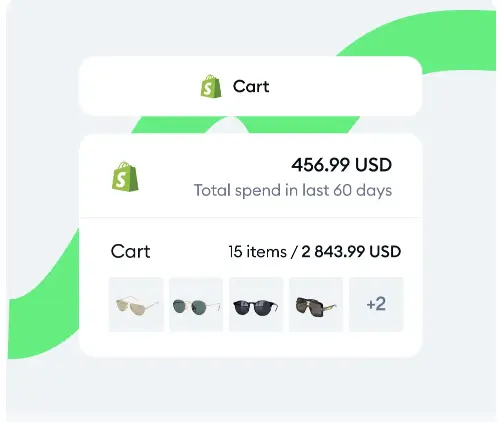
Importance of Tidio to Bank on Customer Feedback for Continuous Improvement
As one of the best Shopify customer support apps, Tidio ensures seamless collection and management of customer feedback across various channels such as live chat, email, and chatbots. It helps support agents stay actively engaged with customers and solicit their feedback. With this, businesses gain valuable insights into their customer’s preferences, pain points, and overall satisfaction levels. This feedback works as a rich source of data that businesses can utilize to identify areas for improvement in their products, services, and processes. Tidio's analytics and reporting features further enhance this process by providing actionable insights and performance metrics derived from customer feedback.
Tidio Implementation Best Practices
Here are the best practices to implement Tidio in your Shopify based ecommerce business:
1. Select the Right Ticketing System
- Choose a ticketing system within Tidio that seamlessly integrates with Shopify and meets your customer support needs.
- Look for features such as customizable ticket fields and automated ticket routing based on customer inquiries to track ticket resolution metrics.
2. Incorporate a Knowledge Base
- Utilize Tidio's knowledge base feature to create a self-service support resource for Shopify customers.
- Develop an extensive repository of articles, FAQs, and tutorials that address common queries and provide solutions to frequently encountered issues.
3. Leverage AI and Automation
- Utilize Tidio's AI-driven chatbots and automation capabilities to streamline help desk processes in Shopify.
- Implement chatbots to handle initial customer inquiries and automate repetitive tasks like order status updates and shipping notifications.
4. Provide Multi-Channel Support
- Enable multi-channel support within Tidio to cater to customers across various communication channels within Shopify.
- Offer live chat support, email assistance, and social media messaging to ensure seamless communication and consistent customer experiences.
5. Establish Service Level Agreements (SLAs)
- Define clear service level agreements (SLAs) within Tidio for Shopify customer support.
- Establish response time targets, resolution guidelines, and escalation procedures to ensure timely and efficient handling of customer inquiries.
- Monitor SLA compliance using Tidio's reporting tools and adjust workflows as needed to meet service-level objectives.
6. Promote Internal Collaboration
- Foster internal collaboration among Shopify support teams using Tidio's collaborative features.
- Enable team members to share insights, collaborate on complex issues, and provide feedback within the platform.
- Encourage knowledge sharing and teamwork to enhance problem-solving capabilities and deliver exceptional customer support experiences.
3. Klaviyo: Powerhouse of Personalized Email Marketing
Klaviyo as one of the best Shopify customer apps, helps businesses connect with their customers on a deeper level. With its seamless integration with Shopify, Klaviyo allows enterprises to utilize data-driven insights to create personalized marketing campaigns and communication strategies. Klaviyo’s intuitive interface and robust segmentation capabilities empower businesses to deliver targeted messages tailored to individual customer preferences and behaviors. Moreover, its automation and scalability features ensure that merchants can engage with their customers effectively at every stage of the customer journey. Through Klaviyo, businesses can drive sales and conversions and cultivate lasting relationships with their clientele. According to a McKinsey & Company report, businesses that leverage customer support apps effectively are 70% more likely to be seen as industry leaders by their customers.
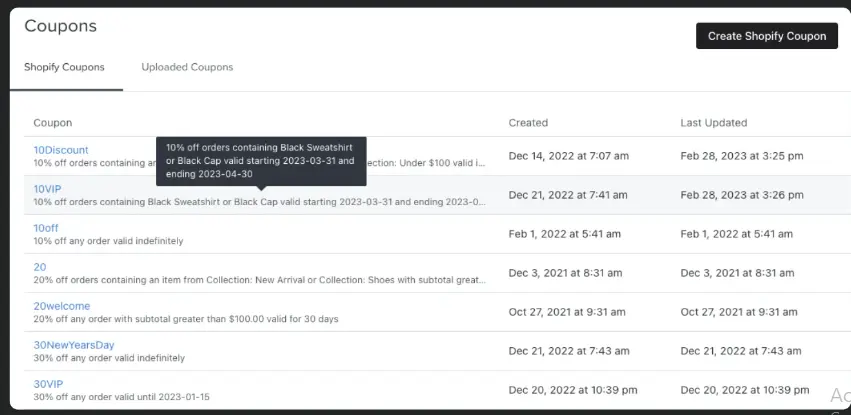
Klaviyo- An All-encompassing Enabler of Customer Personalization
With its robust suite of tools and features, Klaviyo, one of the best Shopify customer support apps, empowers businesses to create highly tailored and personalized experiences for their customers across every touchpoint of the customer journey. By harnessing data-driven insights and advanced segmentation capabilities, Klaviyo enables businesses to understand their customers on a deeper level, allowing them to send targeted messages, recommendations, and offers that resonate with individual preferences and behaviors. From personalized email campaigns and SMS marketing to dynamic website content and product recommendations, Klaviyo empowers businesses to deliver relevant and timely communications that drive engagement, conversions, and long-term customer loyalty. Its intuitive interface and automation capabilities further streamline the personalization process, enabling businesses to scale their efforts effectively while maintaining a human touch.
Klaviyo Integration with Shopify-Best Practices
Integrating Klaviyo with Shopify includes the following best practices:
1. Data Synchronization
- Ensure seamless synchronization of customer data between Klaviyo and Shopify to maintain accurate and up-to-date customer profiles.
- Set up automated data syncs to capture new customer information, order details, and product interactions in real time.
2. Segmentation Strategies
- Utilize segmentation capabilities to create targeted customer segments based on Shopify data such as purchase history, browsing behavior, and demographics.
- Use these segments to personalize marketing campaigns and communications for maximum relevance and impact.
3. Personalized Messaging
- Implement personalized messaging strategies within Klaviyo to deliver tailored email campaigns, SMS messages, and other communications to Shopify customers.
- Utilize dynamic content, product recommendations, and behavioral triggers to engage customers at every stage of the buyer journey.
4. Abandoned Cart Recovery
- Set up automated abandoned cart recovery emails in Klaviyo to recapture lost sales and drive conversions on Shopify.
- Customize these emails with personalized product recommendations, discount offers, and compelling call-to-action buttons to encourage customers to complete their purchases.
5. Product Launches and Promotions
- Use Klaviyo to announce new product launches, promotions, and sales events to Shopify customers.
- Segment your audience based on past purchase behavior and preferences to target the most relevant offers to each customer segment.
6. Feedback and Reviews
- Utilize Klaviyo to collect feedback and reviews from Shopify customers through automated email campaigns.
- Encourage satisfied customers to leave reviews and provide feedback, and use this input to improve products and services and enhance the customer experience.
4. Zendesk: A Comprehensive Customer Service Suite
Zendesk is one of the best Shopify customer support apps that transcends traditional customer service platforms with its seamless integration with Shopify and comprehensive suite of tools. Its intuitive interface and robust ticketing system enable customer support teams to manage inquiries with precision and ease. Moreover, the tool’s analytics and reporting abilities facilitate data-driven decision-making, allowing businesses to continuously enhance their support strategies. Through Zendesk, merchants can not only resolve customer issues promptly but also foster trust and loyalty and propel their success. Research by Zendesk revealed that businesses using customer support apps respond to customer inquiries 48% faster than those without such tools.
Zendesk- Enabling Self-Service in the Ecommerce Domain
Zendesk offers a unified system for managing customer inquiries, support tickets, and communication across chat, email, social media, and more. This self-service tool allows businesses to improve their customer management and understand customers better through effective customer interactions. This customer support app integrates customer service workflow with Shopify, allows access and response to queries, manages orders and refunds, and tracks customer engagements directly from an intuitive interface. Its customer portal allows the support agents to keep track of queries raised by customers and their status. Customers can also access existing tickets to find solutions to their queries by themselves.
Zendesk Shopify Integration-Best Practices
following best practices to optimize customer support and streamline operations. Here are some key guidelines
Seamless Data Integration
- Ensure smooth synchronization of customer data between Zendesk and Shopify to maintain accurate and updated customer profiles.
- Set up automated data syncs to capture order details, customer inquiries, and interactions across both platforms in real time.
Centralized Customer Support
- Use Zendesk as a centralized hub for managing customer support inquiries from Shopify.
- Route support tickets, emails, and chat conversations to Zendesk for streamlined ticket management, tracking, and resolution.
Automated Workflows
- Utilize Zendesk's automation features to streamline support workflows and improve efficiency.
- Set up automated triggers, macros, and ticket routing rules to prioritize and categorize incoming tickets, reducing manual workload and response times.
Proactive Support
- Use Zendesk to proactively engage with customers based on Shopify data such as order history, browsing behavior, and purchase patterns.
- Set up automated triggers and proactive chat campaigns to reach out to customers with personalized assistance and recommendations.
5. Buffer: Streamlined Social Media Management
Buffer is one of the best Shopify customer support apps which helps businesses to effectively navigate the complexities of digital marketing and communication. Its seamless integration with Shopify enables merchants to streamline their social media efforts and cultivate a strong online presence. Its intuitive interface and robust analytics capabilities empower businesses to curate compelling content, engage with their audience, and drive meaningful interactions across various social platforms. The tool powers strategy-making capabilities and optimization as it enables businesses to utilize data-driven insights to refine their social media strategies and meet their business objectives. Through Buffer, businesses can not only amplify their brand visibility but also foster meaningful connections with their audience. A study by Harvard Business Review found that businesses with effective customer support apps experience a 22% increase in positive brand mentions online, enhancing their reputation and credibility.
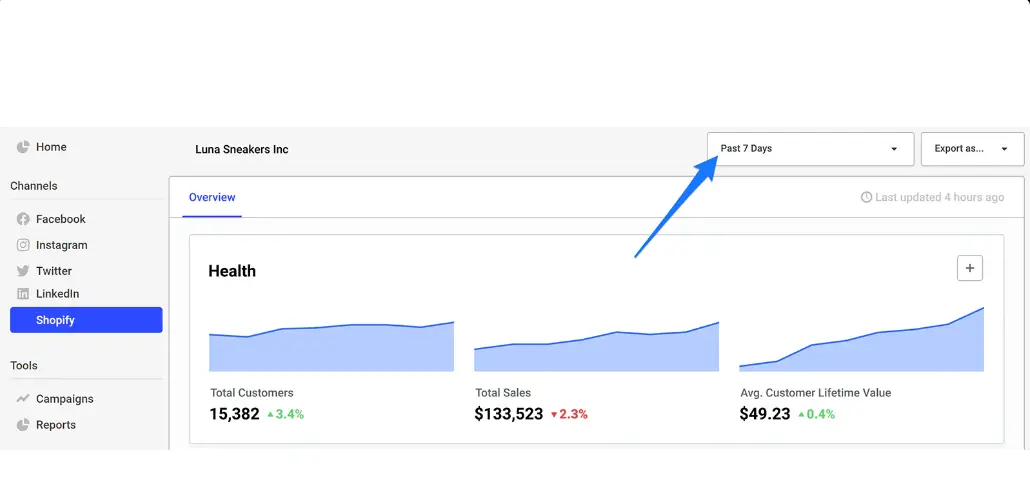
Buffer Integration into Shopify-Best Practices
Here are the best practices to integrate Buffer into Shopify for maximizing social media engagement and streamlining marketing efforts:
1. Seamless Data Integration
- Ensure smooth synchronization between Buffer and Shopify to maintain consistent data flow.
- Connect Buffer to your Shopify store to automatically pull product information, images, and URLs for easy sharing across social media platforms.
2. Content Planning and Scheduling
- Use Buffer’s scheduling features to plan and automate your social media posts.
- Create a content calendar that aligns with your marketing strategy, product launches, and promotional campaigns, ensuring consistent and timely social media presence.
3. Social Proof and User-Generated Content
- Share customer reviews, testimonials, and user-generated content from your Shopify store on social media.
- Schedule and post content to build trust and credibility, showcasing real customer experiences with your products.
4. Analytics and Insights
- Utilize Buffer’s analytics to track the performance of your social media posts. Monitor key metrics such as engagement rates, click-through rates, and conversions.
- Use insights to refine your social media strategy, optimize posting times, and identify top-performing content.
5. Cross-Promotional Campaigns
- Coordinate your social media efforts with other marketing channels.
- Schedule posts that promote email newsletters, blog posts, or special offers available on your Shopify store.
6. AfterShip: Order Tracking & Shipment Transparency
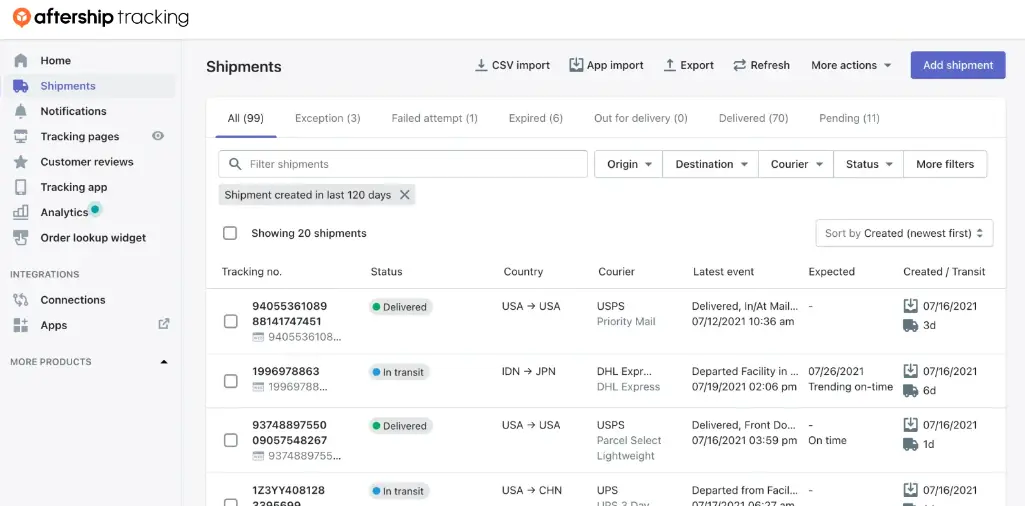
AfterShip enhances the post-purchase experience for both merchants and customers. Its seamless integration with Shopify empowers businesses to provide transparent and efficient order-tracking solutions, ensuring customers are informed every step of the way. Its intuitive interface and comprehensive tracking capabilities enable merchants to streamline operations and mitigate customer inquiries related to order status. Moreover, AfterShip's emphasis on automation and scalability ensures that merchants can efficiently manage a high volume of shipments while maintaining a personalized touch. Through AfterShip, businesses can not only optimize the post-purchase journey but also drive retention and long-term success. Research by Salesforce revealed that businesses using customer support apps witness a 20% decrease in cart abandonment rates, indicating improved customer support during purchase.
AfterShip Integration into Shopify - Best Practices
Here are the best practices to integrate AfterShip into Shopify for streamlining order tracking and enhancing customer experience:
1. Seamless Integration
- Ensure a smooth integration of AfterShip with Shopify by following the setup instructions carefully.
- Connect your Shopify store to AfterShip to automatically sync order information and tracking details.
2. Customized Tracking Pages
- Customize your tracking pages to reflect your brand’s identity.
- Use AfterShip's customization options to add your logo, brand colors, and personalized messages.
3. Automated Notifications
- Set up automated email and SMS notifications to keep customers informed about their order status.
- Configure AfterShip to send notifications at key stages such as order confirmed, shipped, out for delivery, and delivered.
4. Centralized Dashboard
- Utilize AfterShip's centralized dashboard to monitor all shipments in one place.
- Identify and address any delivery issues quickly to ensure a smooth shipping experience for your customers.
5. Proactive Issue Resolution
- Use AfterShip’s exception reporting to proactively identify and manage delivery issues such as delays, lost packages, or failed deliveries.
- Implement a process for timely resolution of these issues to maintain customer trust and satisfaction.
Conclusion
As we race toward the future of ecommerce, the landscape of customer support is all set for a transformative leap. Imagine a world where AI-powered chatbots seamlessly handle basic inquiries while human agents utilize augmented reality tools to visually guide customers through troubleshooting steps. The best Shopify customer support apps will continue to evolve at an exponential rate, integrating seamlessly with these cutting-edge technologies. We can expect the rise of sentiment analysis, where apps will not only interpret the content of customer messages but also gauge their emotional undertones. This will allow for more empathetic and personalized support interactions. Furthermore, the physical and digital boundaries will blur as apps incorporate features like mixed reality experiences.
However, such integrations and incorporations will require eCommerce businesses to invest significantly in infrastructure and train employees to ensure seamless implementation. They will also need to handle data privacy concerns and the potential need to upskill or hire specialized talent to manage these technologies effectively. This is where outsourcing will play a significant role in helping businesses navigate challenges and explore opportunities.
At Invensis, we offer comprehensive customer support solutions customized to the unique needs of e-commerce businesses. We utilize advanced tools and applications to ensure effective customer interactions and an improved experience. Our eCommerce customer support services include help desk support, email support, order taking, live chat support, and more. Contact us today to navigate the complexities of customer support with confidence.
.webp "Medium")
Jennie is a popular writer in the ecommerce field, bringing extensive knowledge and her on-ground expertise to her writing. With years of experience working for some of the world's leading ecommerce businesses, she has the perfect compass to guide emerging companies through the ever-changing online business landscape. She excels in product optimization, conversion rate optimization, and customer experience enhancement. As a prominent writer in the ecommerce space, Jennie delivers concise and actionable guidance, empowering businesses to thrive in the digital marketplace.
Discover Our Full Range of Services
Click HereExplore the Industries We Serve
Click HereBlog Category
Related Articles
How quickly they turn invoices into cash, we break down what really happens inside the invoice validation clock
June 25, 2026
|

A practical guide for factors to identify invoice fraud, strengthen invoice validation, and protect funding decisions.
June 25, 2026
|
.jpeg)
How modern factoring support services empower factoring companies to scale, manage risk, and protect margins amid tightening credit conditions.
June 25, 2026
|
Services We Provide
Industries We Serve
